Can MDMA Be Good for Your Mental Health?
The conversation around mental health treatments is shifting. For decades, MDMA was primarily associated with recreational environments. Today, medical researchers are evaluating the substance through a different lens.
Clinical trials have explored whether MDMA-assisted therapy could offer a breakthrough for treating Post-Traumatic Stress Disorder (PTSD). These studies focus on how the substance might act as a catalyst to help patients process deep-seated trauma during therapy.
Here is what the latest science, medical trials, and regulatory updates say about the clinical study of MDMA.
The Clinical Focus: How It Helps in Therapy
In a medical setting, MDMA is never used as a standalone treatment. Instead, it is administered as an adjunct to intensive talk therapy. The goal is to create a temporary psychological state that allows patients to confront painful memories without being consumed by them.
In these structured research environments, the therapeutic approach aims to achieve several goals:
- Quieting the Fear Center: MDMA temporary reduces activity in the amygdala—the part of the brain responsible for fear and panic. This allows patients to recall agonizing traumatic memories without being overwhelmed.
- Building Deep Therapeutic Trust: The drug triggers a massive release of serotonin, dopamine, and oxytocin (the “bonding hormone”). This fosters a profound sense of safety and trust between the patient and therapist, which is essential for trauma work.
- Enhancing Neuroplasticity: Researchers believe MDMA facilitates “fear extinction learning” by helping the brain form new, healthier neural connections, effectively rewriting how the brain responds to past trauma.
In Phase 3 clinical trials, roughly 67% to 70% of participants with severe, chronic PTSD no longer met the diagnostic criteria for the condition after just three sessions of MDMA-assisted therapy.
The Critical Distinction: Clinical Use vs. Recreational Risk
The therapeutic results seen in trials depend entirely on a highly controlled environment, pure pharmaceutical-grade compounds, and professional psychiatric guidance. Attempting to self-medicate or use the substance recreationally poses severe risks to mental and physical health:
1. The Serotonin “Crash”
MDMA forces a massive release of serotonin. Once the drug wears off, the brain’s supply is severely depleted. In recreational settings, this frequently triggers a period of emotional instability characterized by severe mid-week depression, paranoia, and intense anxiety.
2. The Danger of Contaminants
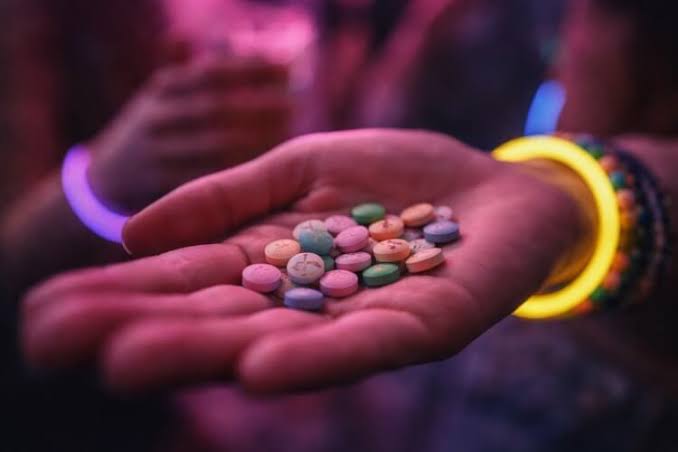
Substances obtained illegally are completely unregulated. Street “Molly” or Ecstasy is rarely pure and is frequently contaminated with toxic or deadly additives, including methamphetamine, bath salts, or synthetic opioids like fentanyl.
3. Psychological Re-Traumatization
Without a trained therapist to guide the experience, the intense emotions surfaced by MDMA can lead to severe confusion, panic, or acute psychological crises, worsening a person’s mental state rather than healing it.
The Global Regulatory Landscape
The legal status of MDMA is tightly restricted, though the regulatory environment continues to evolve based on emerging trial data.
- Australia: In 2023, Australia became the first country to allow authorized psychiatrists to prescribe MDMA specifically for treatment-resistant PTSD within a strict regulatory framework.
- United States: The regulatory path has seen significant updates. While the FDA previously requested additional data regarding trial design, researchers have resubmitted applications following updated agency guidance on psychedelic clinical trials. It remains a strictly controlled Schedule I substance outside of these authorized medical channels.
- Europe: The European Medicines Agency (EMA) is monitoring global research data, but the substance remains unauthorized for clinical use outside of restricted experimental trials.
The Bottom Line
While clinical research suggests immense therapeutic potential, it is only valid within a professional psychiatric framework. MDMA is viewed by researchers as a tool to facilitate therapy, not a standalone cure. Using unregulated substances for self-medication carries extreme risks.
Disclaimer: This article is for informational and educational purposes only and does not constitute medical advice. MDMA remains an illegal substance in most jurisdictions.