MDMA vs Ecstasy vs Molly: What Is the Difference
If you have searched for MDMA vs Ecstasy vs Molly, you may wonder whether these names describe different drugs or different forms of the same substance. The terms are closely related, but they do not always mean exactly the same thing.
MDMA is the name of a specific synthetic psychoactive substance. Ecstasy and Molly are commonly used street terms associated with MDMA. However, a major concern is that products sold under these names may contain substances other than MDMA.
Understanding the difference can help people make sense of drug-related terminology and recognize the potential health risks associated with unknown or adulterated substance
What Is MDMA?
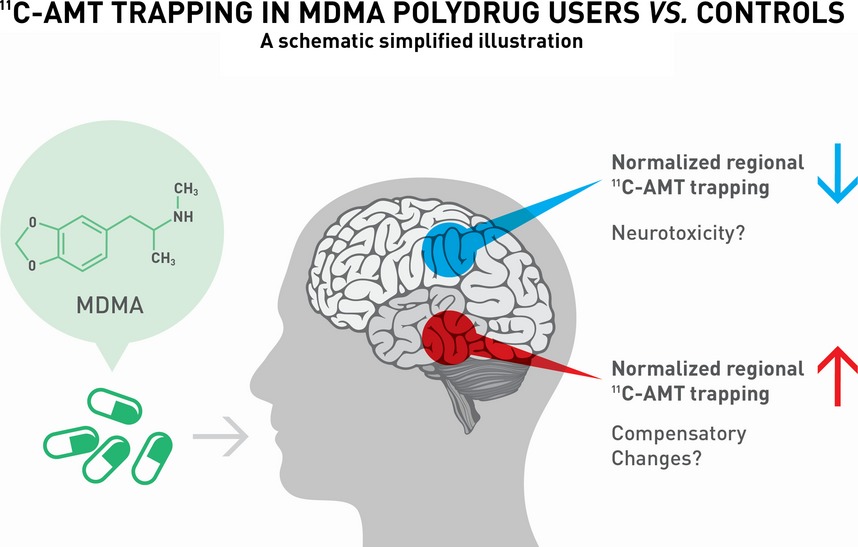
MDMA stands for 3,4-methylenedioxymethamphetamine. It is a synthetic psychoactive substance that can affect mood, perception, energy, and the way people experience social interaction.
MDMA has both stimulant and hallucinogen-like properties. Reported effects can include increased energy, euphoria, heightened sensory experiences, and feelings of emotional closeness. It can also cause unwanted effects such as anxiety, confusion, increased heart rate, sweating, muscle tension, and problems regulating body temperature.
The term MDMA therefore refers to the chemical itself rather than a particular brand, tablet appearance, or street product.
What Is Ecstasy?
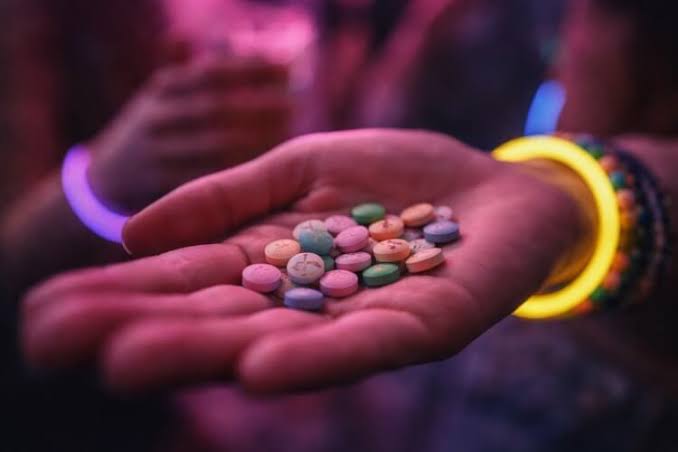
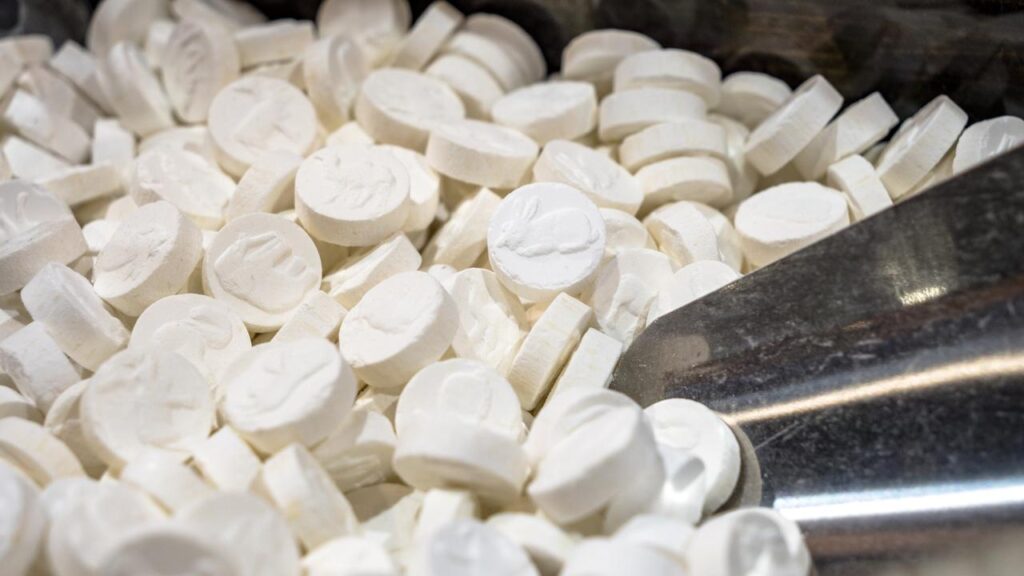
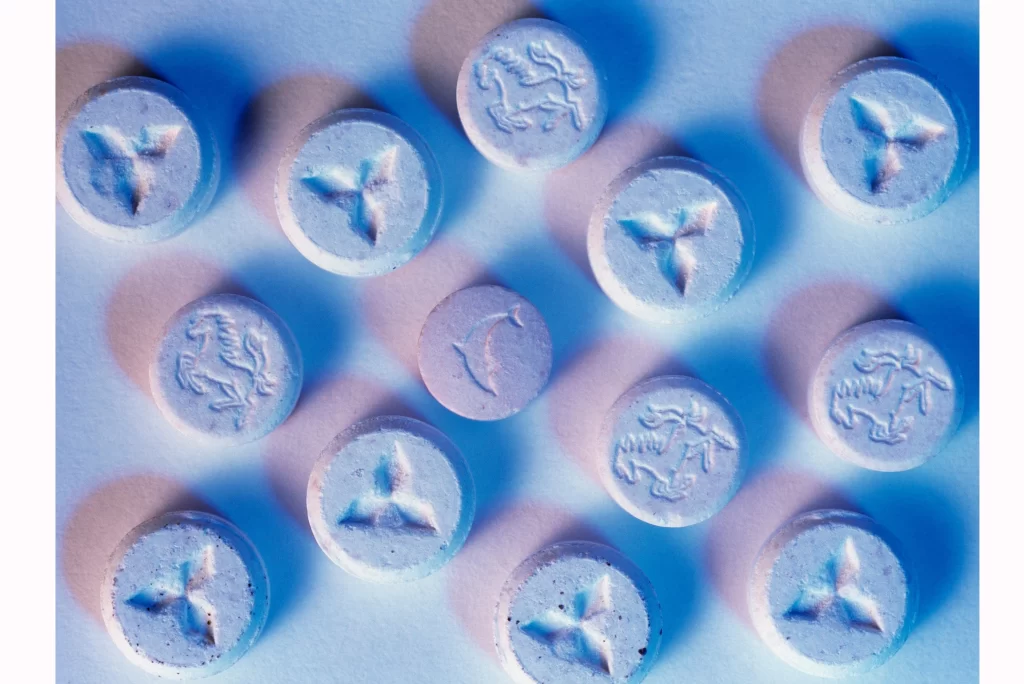
Ecstasy is a common street name associated with MDMA. The term has historically been used particularly for tablets or pills marketed as containing MDMA.
However, the name does not guarantee what a tablet actually contains.
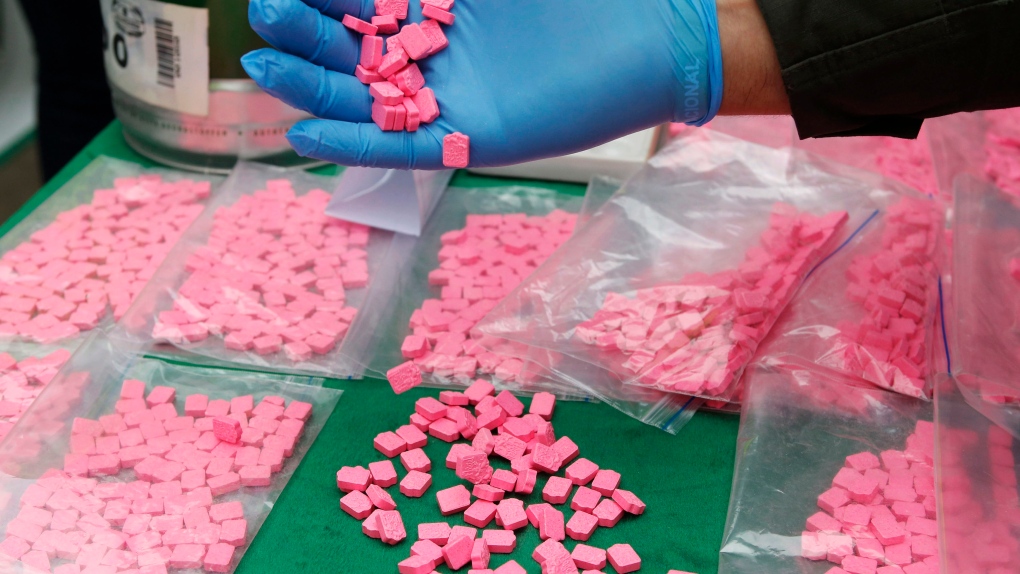
According to the U.S. Drug Enforcement Administration, tablets sold as ecstasy may contain MDMA together with other substances, or may contain little or no MDMA at all. Some substances found in products sold as ecstasy can include stimulants and other psychoactive drugs.
This is one reason why identifying an illicit substance by its name, color, logo, or appearance alone is unreliable.
What Is Molly?
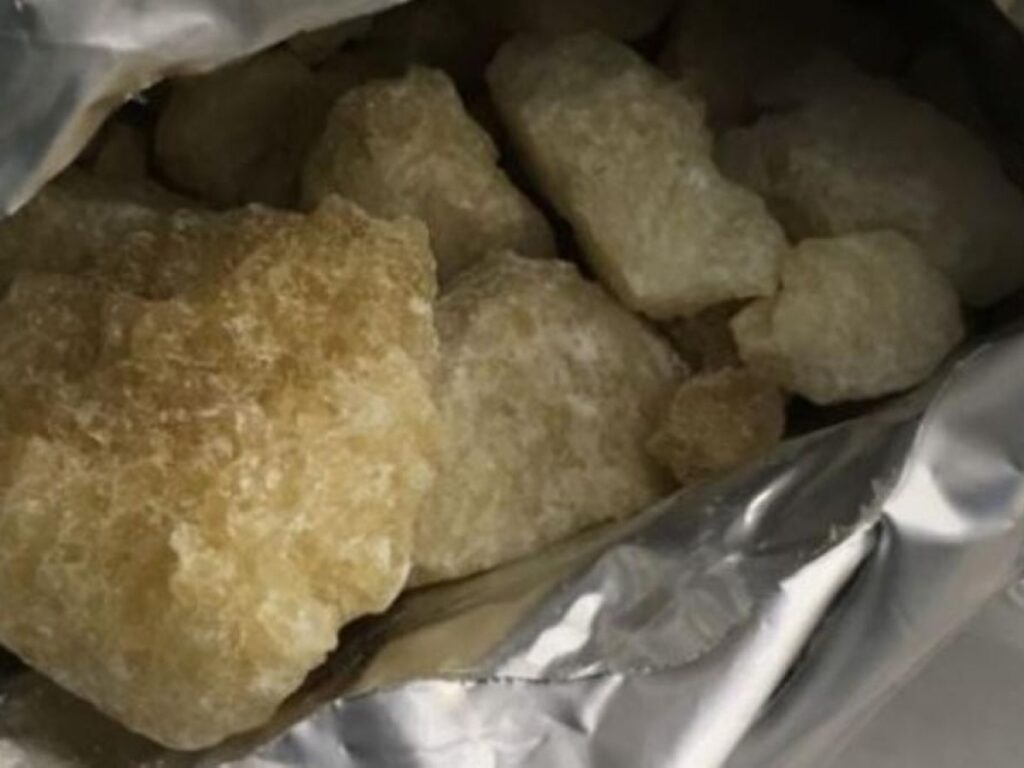
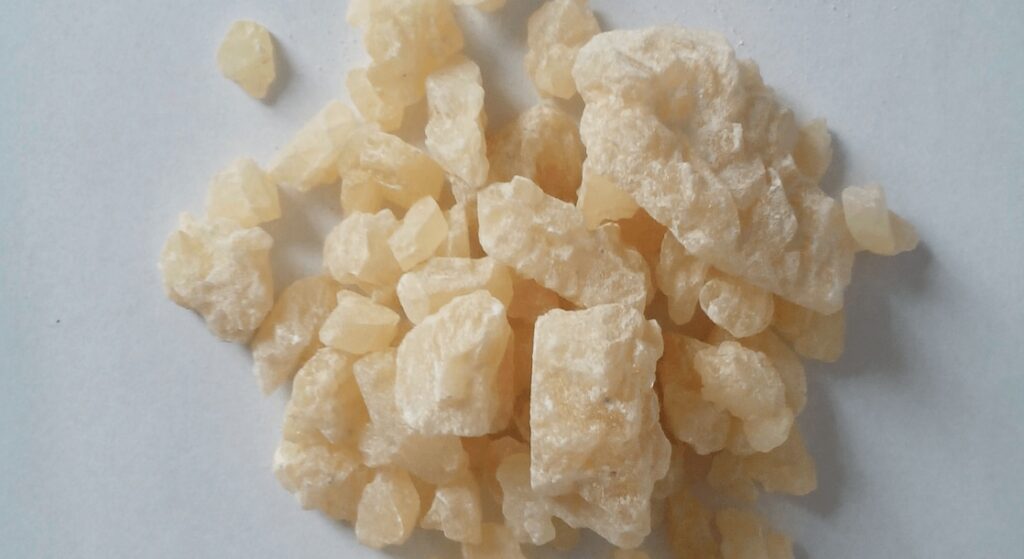
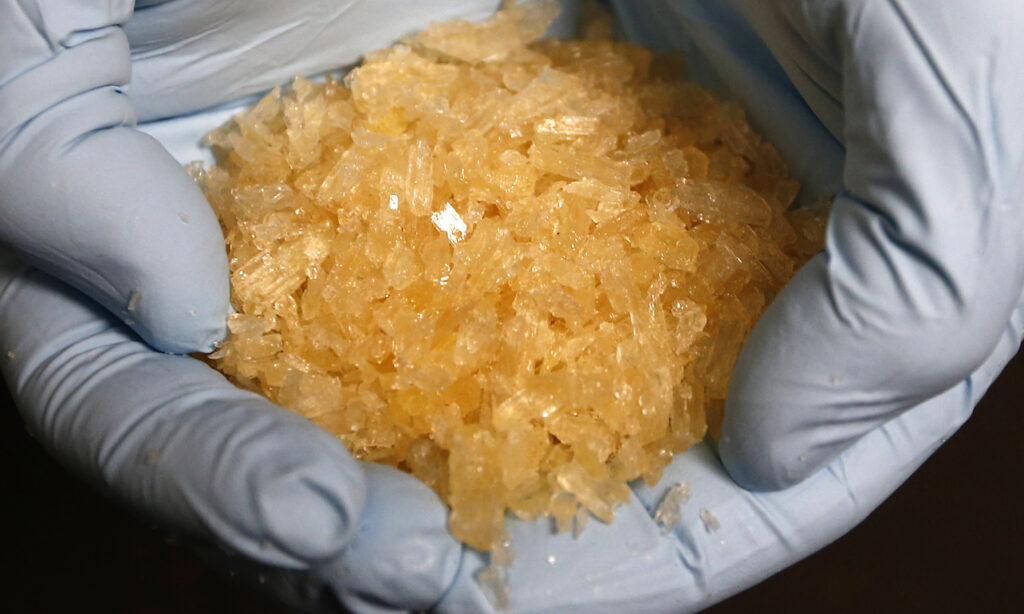
Molly is another common term associated with MDMA. The word is often used to describe MDMA in powder or crystalline form and is sometimes associated with capsules.
The term can create a misleading impression that Molly is automatically pure MDMA. Research and law-enforcement drug analyses have shown that substances sold as Molly may contain other compounds or may not contain MDMA at all.
Therefore, Molly does not automatically mean pure MDMA.
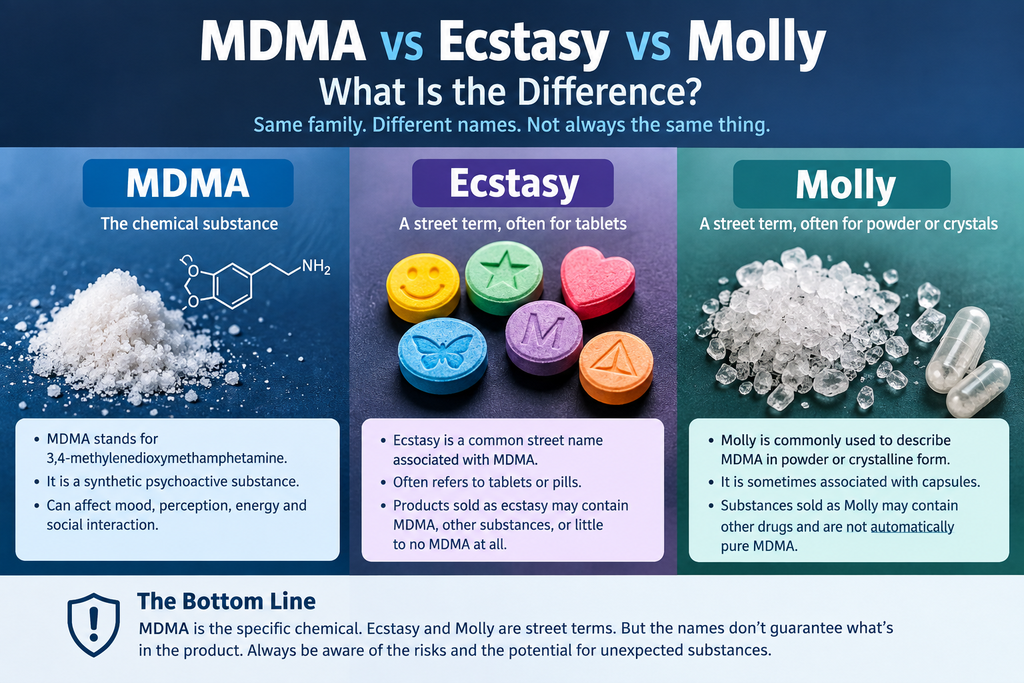
MDMA vs Ecstasy vs Molly: The Main Difference
The simplest way to understand the terminology is:
| Term | What it generally refers to |
|---|---|
| MDMA | The specific chemical substance 3,4-methylenedioxymethamphetamine |
| Ecstasy | A street term commonly associated with MDMA, often referring to tablets |
| Molly | A street term commonly associated with MDMA, often referring to powder or crystalline material |
Is MDMA the Same as Ecstasy?
MDMA and Ecstasy are closely related terms, but they are not interchangeable in every situation.
MDMA is the chemical name. Ecstasy is a street name that has traditionally been used for products marketed as containing MDMA.
The distinction matters because a tablet labeled or sold as Ecstasy cannot be assumed to contain only MDMA. DEA information notes that some products sold as ecstasy may contain other drugs.
Is Molly the Same as MDMA?
Not necessarily.
Molly is commonly used as a name for MDMA, particularly when referring to powder or crystalline material. But the label itself does not establish the chemical contents.
NIDA has reported that substances sold as Molly have sometimes contained other drugs and may not contain MDMA.
This is an important distinction when reading information about MDMA vs Molly.
MDMA, Ecstasy, and Molly: Why Purity Matters
One of the biggest misconceptions about these terms is that the physical appearance or street name tells you what is inside a product.
It does not.
Illicitly produced substances generally do not have the quality controls used for regulated medicines. A pill, powder, or capsule sold as MDMA, Ecstasy, or Molly may therefore contain unexpected ingredients.
DEA warnings have also highlighted counterfeit pills marketed as MDMA, Ecstasy, and Molly that contain other dangerous substances.
For this reason, appearance, packaging, logos, or names should not be treated as proof of identity or purity.
What Are the Effects of MDMA?
MDMA can affect several systems in the brain and body. Reported effects include:
- Increased energy and alertness
- Euphoria
- Feelings of emotional closeness
- Increased sensitivity to touch
- Changes in perception
- Increased heart rate
- Increased blood pressure
- Sweating
- Muscle tension
- Jaw clenching
- Nausea
- Anxiety or confusion
More serious effects can occur, particularly when body temperature rises significantly or when substances are combined. DEA information notes that severe hyperthermia can contribute to life-threatening complications affecting organs and the cardiovascular system.
Are Ecstasy and Molly Safe Because They Are Different Forms?
No.
Changing the name or physical form of a substance does not make it safe.
A common misconception is that Molly is safer because it is associated with powder or crystalline material rather than tablets. However, NIDA has specifically noted that substances sold as Molly may contain other drugs.
Similarly, a tablet sold as Ecstasy cannot be assumed to contain a predictable amount or composition of MDMA.
What Are the Risks Associated With MDMA?
MDMA can affect the cardiovascular system, nervous system, and the body’s ability to regulate temperature.
Potential problems include increased heart rate, increased blood pressure, anxiety, confusion, dehydration, overheating, and other serious complications. High body temperatures can become particularly dangerous.
The risk can also become harder to predict when a substance contains unexpected ingredients or is combined with other drugs.
If someone develops severe overheating, confusion, seizures, loss of consciousness, difficulty breathing, or other signs of a medical emergency after taking a substance sold as MDMA, Ecstasy, or Molly, seek emergency medical assistance immediately.
MDMA vs Ecstasy vs Molly: Frequently Asked Questions
Is MDMA the same thing as Molly?
Molly is commonly used as a street name for MDMA, but substances sold as Molly are not necessarily pure MDMA.
Is Ecstasy the same thing as MDMA?
Ecstasy is a common street term associated with MDMA. However, products sold as Ecstasy may contain other substances and should not automatically be assumed to contain only MDMA.
Which one is pure MDMA?
A street name cannot establish purity. Products sold as MDMA, Ecstasy, or Molly may contain unexpected substances.
Why are MDMA, Ecstasy, and Molly different names?
MDMA is the chemical name. Ecstasy and Molly are informal names that became associated with products marketed as containing MDMA.
Can you identify MDMA by appearance?
Appearance alone cannot reliably establish the chemical contents of an illicit pill, powder, or capsule.
Final Thoughts
The simplest answer to “MDMA vs Ecstasy vs Molly: what is the difference?” is that MDMA is the specific chemical substance, while Ecstasy and Molly are commonly used street terms associated with products marketed as containing MDMA.
However, the names do not guarantee what a product contains. Research from NIDA and information from the DEA indicate that substances sold as Ecstasy or Molly may contain other compounds or may not contain MDMA at all.
Understanding these terms is therefore more useful than treating them as three completely separate drugs. When researching MDMA, Ecstasy, or Molly, reliable health information and evidence-based sources are important because street names and product appearances can be misleading.