
Description
buy 1A LSD online
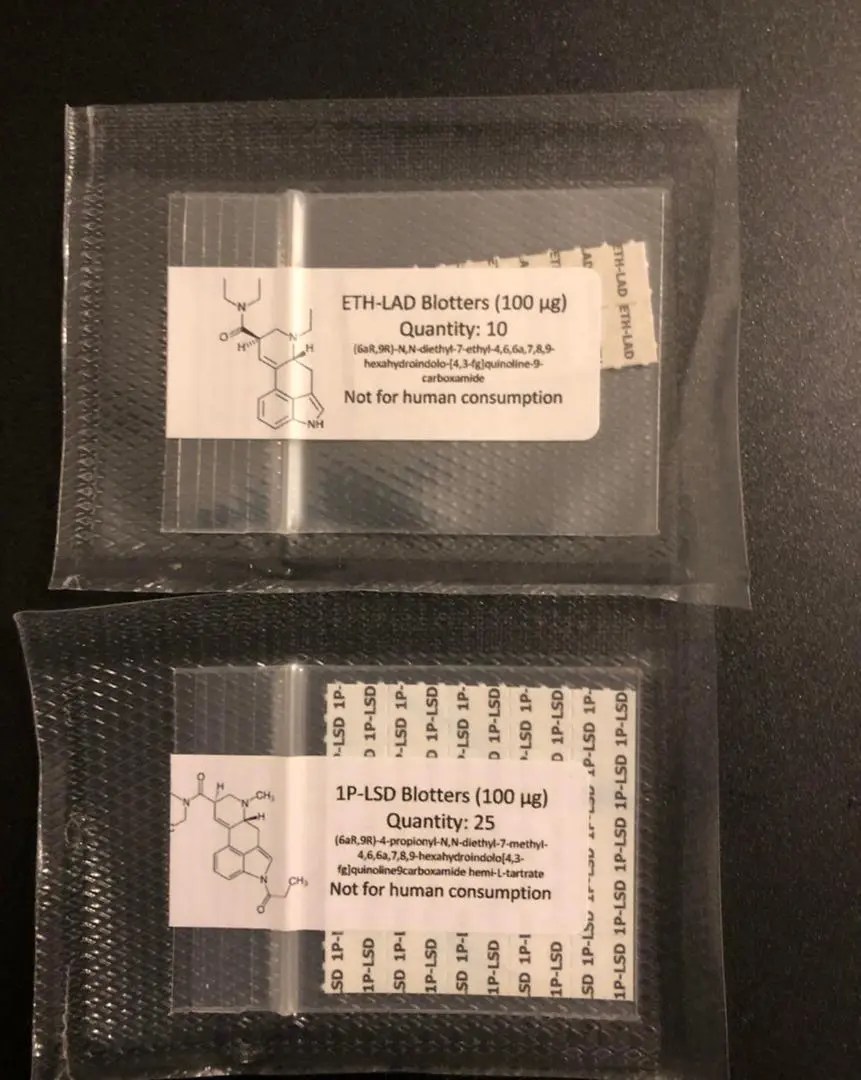
1A-LSD, is a synthetic psychedelic compound belonging to the lysergamide class. It acts as a prodrug, meaning it is metabolized by the body into LSD, offering an experience that many users find structurally and subjectively similar to the original compound, typically used by researchers or individuals interested in the comparative study of synthetic derivatives.
Benefits of 1A LSD
-
Known Chemical Purity: Because ALD-52 is primarily produced for the research chemical market, it is generally manufactured with higher quality-control standards than standard illicit street-market substances, reducing the risk of unexpected adulterants.
-
Consistency in Experience: The specific chemical structure allows for a reliable and predictable metabolic conversion, providing users with a steady, reproducible experience that is often valued in research contexts.
-
Legal/Regulatory Nuance: In some regions, its classification may differ from that of traditional LSD, providing a different legal framework for those conducting authorized investigations into psychedelic compounds.

Reviews
There are no reviews yet.