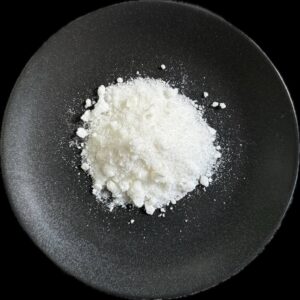
HASH FOR SALE
Hash, also known as hashish, is a cannabis concentrate made by collecting and compressing the resin-rich trichomes of the cannabis plant. These trichomes contain cannabinoids such as THC and CBD, as well as aromatic compounds called terpenes. Hash For Sale
Hash has been used in different cultures for centuries and remains one of the better-known forms of cannabis concentrate. Modern production methods have also created many different varieties with differences in texture, aroma, cannabinoid content, and appearance.
For Canadians researching hash, understanding what it is, how it differs from cannabis flower, its potential effects, and the country’s cannabis regulations can help support informed decisions.
What Is Hash?
Hash is a concentrated cannabis product made primarily from trichomes. Trichomes are tiny resin-producing structures found mainly on the flowers of cannabis plants.
During hash production, these resin glands are separated from plant material and collected. The resulting material can then be pressed or processed into a concentrated form.
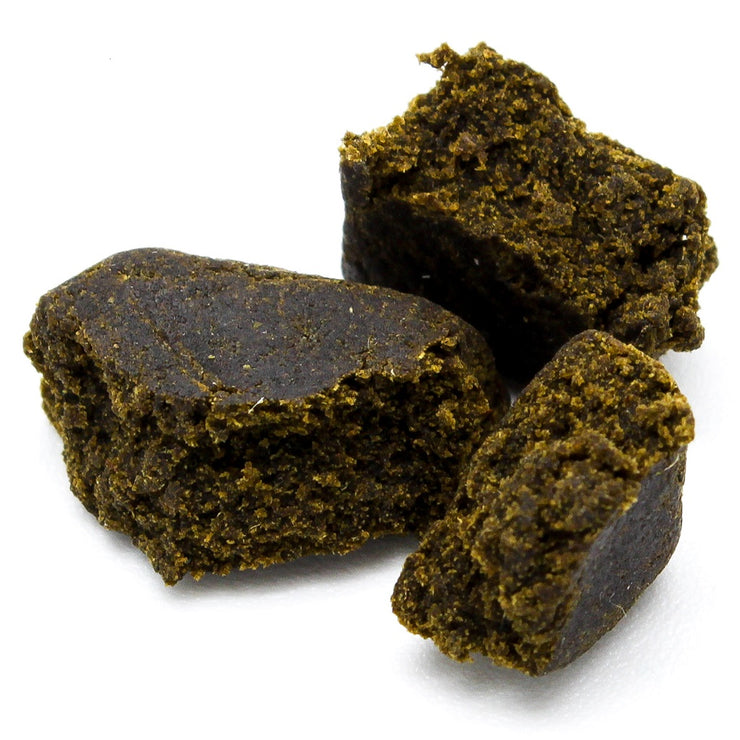
Hash can vary considerably in appearance. Depending on how it is produced, it may be:
- Soft and pliable
- Firm and compressed
- Dry and crumbly
- Dark on the outside and lighter inside
- Aromatic with distinctive cannabis and terpene profiles
Because production techniques differ, the appearance of hash alone cannot reliably determine its potency or chemical composition.
How Is Hash Different From Cannabis Flower?
Cannabis flower consists of the dried flowering parts of the cannabis plant. Hash, in contrast, is primarily made from concentrated trichomes.
This difference can result in hash having a higher concentration of cannabinoids than ordinary cannabis flower. However, potency varies between products, so consumers should rely on regulated product information rather than appearance or assumptions.
Hash may also have a different texture and aroma because much of the plant material has been removed during processing.
Common Types of Hash
There are numerous traditional and modern hash-making techniques. Some common categories include pressed hash, dry-sift hash, and ice-water hash.
Pressed Hash
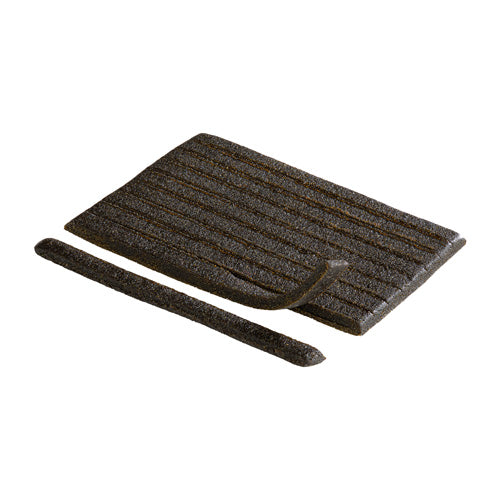
Pressed hash is produced by collecting cannabis resin and compressing it into a solid or semi-solid form. It can range from relatively soft to firm depending on its composition and processing.
Dry-Sift Hash
Dry-sift hash is produced by separating trichomes from dried cannabis material using screens or sieves. The collected resin can subsequently be compressed.
Ice-Water Hash
Ice-water processing uses cold water and agitation to separate trichomes from cannabis plant material. The collected material can then be dried and processed further.
Each method can produce different textures, aromas, and cannabinoid profiles.

Hash Effects
The effects of hash primarily depend on its cannabinoid concentration and the individual using it. THC is the principal intoxicating cannabinoid in cannabis and can affect perception, mood, coordination, attention, and memory.
Possible effects can include:
- Relaxation
- Euphoria
- Altered perception of time
- Increased appetite
- Drowsiness
- Changes in sensory perception
Not everyone responds to cannabis in the same way. Effects can also vary depending on THC concentration, individual tolerance, previous cannabis experience, and whether other substances are involved.
Higher-THC cannabis products may produce stronger intoxicating effects and can increase the likelihood of unwanted reactions.
Potential Risks of Hash
Also, hash is not risk-free. Cannabis products containing THC can cause unwanted effects, particularly when the product is highly concentrated.
Potential short-term effects include:
- Anxiety
- Paranoia
- Dizziness
- Impaired coordination
- Reduced attention
- Memory difficulties
- Increased heart rate
- Confusion
People who experience severe or unexpected symptoms should seek appropriate medical assistance.
Cannabis can also impair reaction time and judgment. Driving or operating machinery while impaired can create serious safety risks.
Hash Potency and THC
One important difference between hash and cannabis flower is that concentrated products can contain substantially higher levels of THC.
THC concentration is usually expressed as a percentage. A higher THC percentage generally means that a smaller amount of product can contain more THC.
However, THC percentage should not be interpreted as a guarantee of how a particular person will feel. Individual sensitivity and tolerance can differ significantly.
For regulated cannabis products, consumers should review the cannabinoid information provided on the packaging.
Hash and Canadian Cannabis Laws
Canada legalized recreational cannabis at the federal level through the Cannabis Act. However, legal access and possession remain subject to federal and provincial or territorial rules.
The minimum legal age, retail systems, possession rules, and other requirements can vary depending on the province or territory.
For Canadians researching hash, it is important to distinguish between cannabis products obtained through authorized channels and products offered through unauthorized sources.
Official information about Canadian cannabis regulations is available through the Government of Canada’s cannabis resources.
Responsible Cannabis Awareness
People considering cannabis should understand potential risks before using THC-containing products.
Important considerations include:
- Avoid driving while impaired.
- Keep cannabis products away from children and pets.
- Avoid combining cannabis with alcohol or other intoxicating substances.
- Be particularly cautious with high-THC products.
- Follow applicable Canadian and provincial regulations.
- Seek professional advice if cannabis causes significant physical or psychological problems.
People who are pregnant, breastfeeding, taking medications, or concerned about cannabis use should discuss their circumstances with an appropriate healthcare professional.