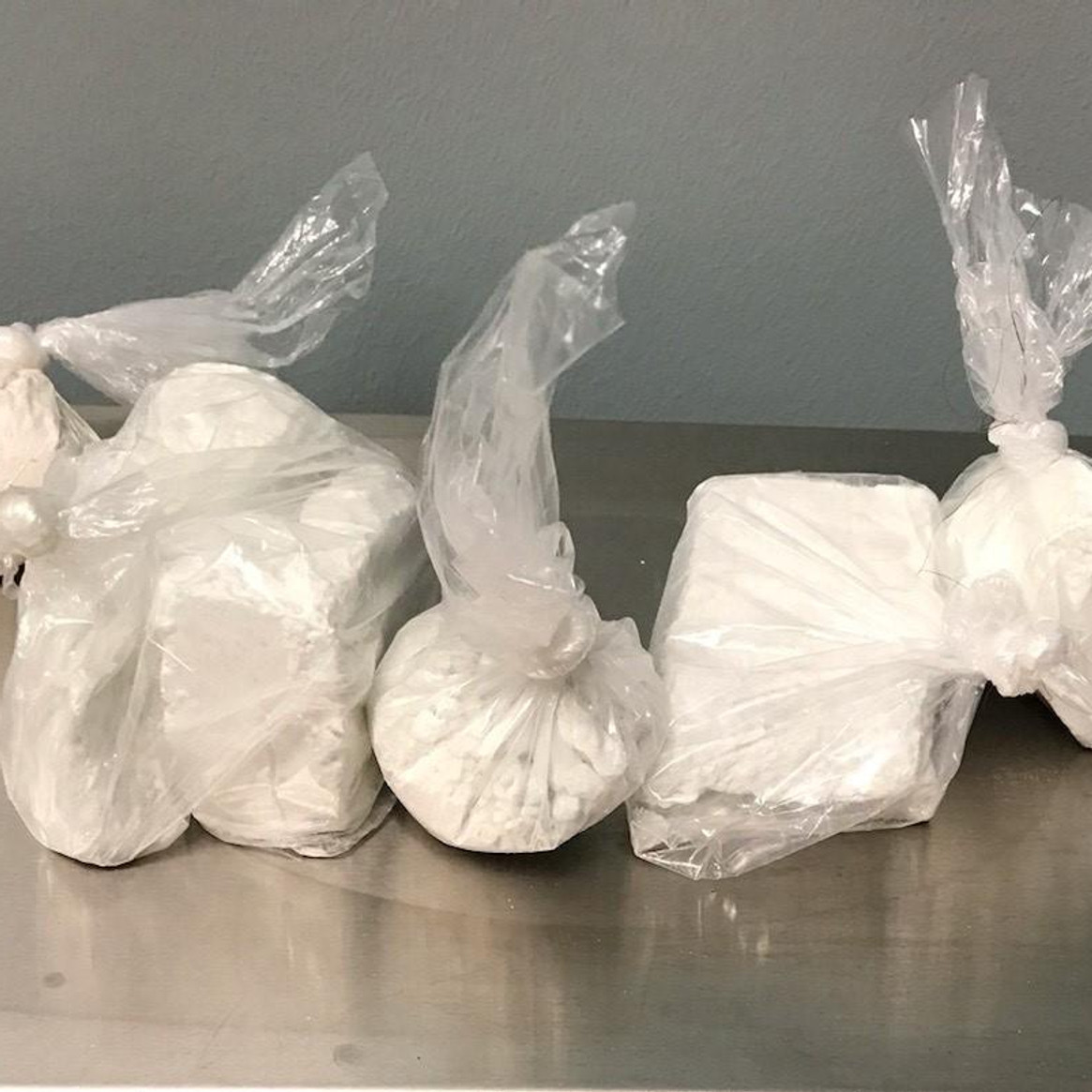
Pure Cocaine: Effects, Risks, Purity and Safety Information in Canada
What Is Pure Cocaine?
“Pure cocaine” generally refers to cocaine containing a high proportion of cocaine hydrochloride with relatively little added material. However, the term pure cocaine should not automatically be interpreted as safe cocaine. Substances sold illegally as cocaine can vary substantially in composition, strength, and contamination.
Cocaine is a powerful stimulant that affects the central nervous system. It can temporarily increase alertness, energy, confidence, and feelings of euphoria. At the same time, it can place significant stress on the cardiovascular and nervous systems.
For people searching for information about pure cocaine in Canada, understanding the difference between purity and safety is particularly important. A substance may appear visually clean or be described as “pure,” but appearance alone cannot reliably establish its chemical composition.
How Cocaine Affects the Body
Cocaine primarily affects the brain by interfering with the reuptake of neurotransmitters, including dopamine. This can produce a rapid increase in stimulation and reward-related feelings.
Common short-term effects can include:
- Increased alertness and energy
- Increased heart rate and blood pressure
- Reduced appetite
- Increased confidence or talkativeness
- Restlessness or agitation
- Anxiety or paranoia
- Dilated pupils
The effects can vary considerably depending on the person’s physiology, the amount involved, other substances present, and whether cocaine has been combined with alcohol, medications, or other drugs.
Why Purity Does Not Mean Safety
A common misconception is that higher-purity cocaine is necessarily safer. This is not the case.
Cocaine itself can cause serious cardiovascular and neurological complications. Greater concentration can also mean greater exposure to the active drug. In addition, illicit substances may contain unexpected compounds that cannot be identified reliably by appearance, smell, or taste.
This makes claims about “pure cocaine” difficult to verify without appropriate chemical analysis.
Health Risks Associated With Cocaine
Cocaine can produce potentially serious health effects even when someone does not regularly use it.
Cardiovascular Risks
Cocaine can increase heart rate and blood pressure and cause blood vessels to constrict. These effects can contribute to severe cardiovascular complications, including abnormal heart rhythms, heart attack, and stroke.
The risk can be greater for people with existing cardiovascular conditions or when cocaine is combined with other stimulants.
Mental Health Effects
Cocaine can also affect mood and mental functioning. Possible effects include:
- Anxiety
- Panic
- Irritability
- Paranoia
- Agitation
- Sleep disruption
- Confusion
Repeated exposure may contribute to problematic use, dependence, and withdrawal symptoms.
Cocaine and Alcohol
Combining cocaine with alcohol presents additional risks. The body can produce cocaethylene, a substance associated with increased toxicity and cardiovascular stress.
For this reason, combining cocaine and alcohol should not be considered a safer alternative.
How to Recognize a Cocaine-Related Emergency
Some symptoms require urgent medical attention. These can include severe chest pain, difficulty breathing, seizures, extreme agitation, loss of consciousness, severe confusion, or signs of a stroke.
If someone appears seriously unwell after taking cocaine or an unknown substance, seek emergency medical assistance rather than waiting for the symptoms to disappear.
In Canada, emergency services can be contacted for an immediate medical emergency.
Cocaine Purity and Contamination
People searching for “pure cocaine” may assume that colour, texture, packaging, or a seller’s description can establish purity. These characteristics are not reliable methods of determining chemical composition.
Illicit drug supplies can change over time and between locations. Unexpected substances may also be present.
For that reason, educational information about cocaine should distinguish between claimed purity and verified chemical composition.
Frequently Asked Questions About Pure Cocaine
Is pure cocaine safe?
No. Purity does not make cocaine safe. Cocaine itself can produce serious cardiovascular, neurological, and psychological effects.
Can you tell whether cocaine is pure by looking at it?
No. Appearance, colour, texture, and claimed origin cannot reliably establish chemical purity.
What are the effects of cocaine?
Cocaine can temporarily increase alertness, energy, and euphoria while also increasing heart rate, blood pressure, anxiety, and agitation.
Can cocaine cause addiction?
Yes. Repeated cocaine exposure can lead to problematic use, dependence, and cravings. pure cocaine