THC ONLINE
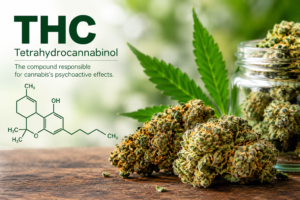
THC is one of the most well-known compounds found in cannabis. Short for tetrahydrocannabinol, THC is the primary cannabinoid responsible for the intoxicating effects commonly associated with cannabis. THC Online
Interest in THC has grown significantly as cannabis laws and consumer access have changed in Canada. Understanding what THC is, how it affects the body, how potency is measured, and what Canadian regulations say can help people make informed decisions.
What Is THC?
THC, or delta-9-tetrahydrocannabinol, is a naturally occurring cannabinoid produced by cannabis plants. It interacts with the body’s endocannabinoid system, particularly cannabinoid receptors involved in mood, memory, appetite, pain perception, and other physiological processes.
THC is different from CBD, another well-known cannabis compound. While CBD is not considered intoxicating in the same way as THC, THC can produce noticeable changes in perception, coordination, mood, attention, and memory.
The concentration of THC varies considerably between cannabis products.
How Does THC Work?
THC interacts primarily with CB1 receptors located throughout the central nervous system. This interaction can influence several functions, including perception, memory, appetite, coordination, and mood.
The effects of THC can differ substantially between individuals. Factors such as personal sensitivity, previous cannabis experience, product potency, method of consumption, and other substances can influence the overall experience.
Because cannabis affects people differently, a particular THC concentration does not guarantee a specific experience.
Common Effects of THC
THC can produce both desired and unwanted effects. Commonly reported effects include:
- Euphoria or a feeling of relaxation
- Altered perception of time
- Increased appetite
- Changes in sensory perception
- Drowsiness
- Reduced attention
- Impaired short-term memory
- Slower reaction time
Some people may instead experience anxiety, paranoia, dizziness, confusion, or discomfort.
The effects can also depend on whether cannabis is inhaled or consumed in an edible product.
THC Potency and Concentration
THC potency refers to the amount or concentration of THC in a cannabis product. For dried cannabis and many other cannabis products, potency may be displayed as a percentage.
Higher THC concentrations generally indicate a more concentrated product. However, potency alone does not determine how strongly someone will be affected.
Cannabis products can also contain other cannabinoids and terpenes that contribute to their overall chemical profile.
Consumers should pay attention to the cannabinoid information displayed on regulated product packaging rather than relying on appearance, product names, or marketing claims.
THC and Different Cannabis Products
THC can be present in several types of cannabis products.
Dried Cannabis
Dried cannabis flower contains naturally occurring cannabinoids, including THC. Potency can vary substantially between different cannabis strains and products.
Cannabis Concentrates
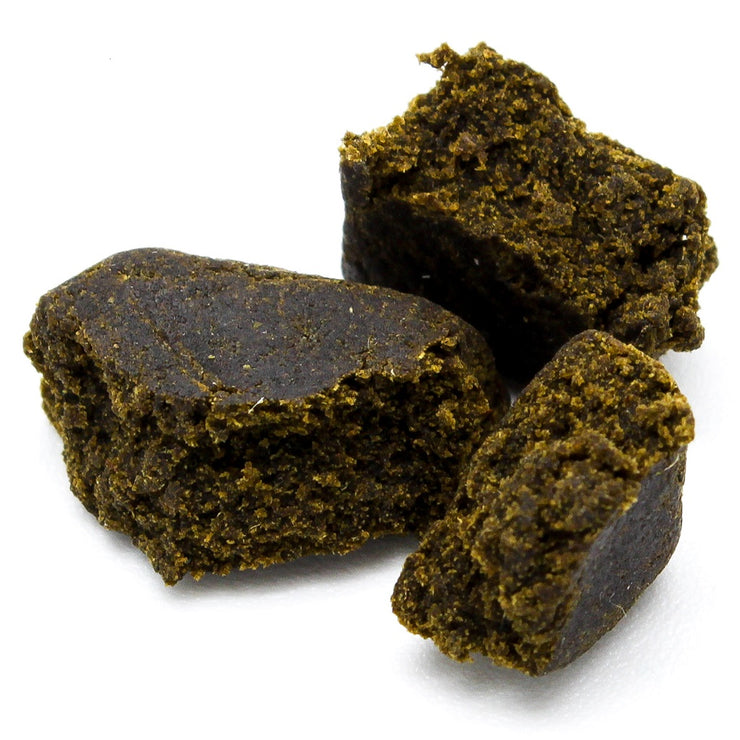
Concentrates contain cannabinoids extracted or separated from cannabis plant material. Because they can contain relatively high levels of THC, their effects may be stronger than those associated with lower-potency cannabis.
Cannabis Edibles
Edible cannabis products contain cannabinoids that are consumed rather than inhaled. Their effects can take longer to appear and may last considerably longer than inhaled cannabis.
This difference is important because consuming more before the initial effects are felt can result in unexpectedly intense effects.
Cannabis Oils and Other Products
Cannabis oils, capsules, beverages, and other regulated products can contain varying amounts of THC. Product labels provide important information about cannabinoid content.
Potential Risks of THC
THC is not risk-free. Short-term cannabis use can affect coordination, attention, judgment, and reaction time.
Potential unwanted effects include:
- Anxiety
- Paranoia
- Dizziness
- Confusion
- Increased heart rate
- Impaired coordination
- Short-term memory problems
- Drowsiness
Higher-THC products may increase the likelihood of experiencing unwanted effects.
People who experience severe or unexpected symptoms should seek appropriate medical attention.
THC and Driving
One of the most important safety considerations is impairment.
THC can affect reaction time, coordination, attention, and judgment. Driving after consuming cannabis can therefore increase the risk of collisions and other serious consequences.
Canadian law also contains provisions concerning impaired driving. Cannabis being legal does not mean driving while impaired is permitted.
Anyone who may be impaired should not drive or operate machinery.
THC and Alcohol
Combining THC with alcohol can increase impairment. Both substances can affect coordination, judgment, and reaction time.
Using them together may make their effects less predictable and potentially more intense.
For this reason, people should understand the additional risks associated with combining intoxicating substances.
Is THC Legal in Canada?
Canada legalized cannabis for adult recreational use under the Cannabis Act. However, legalization does not mean every cannabis product or method of distribution is automatically lawful.
Federal and provincial or territorial regulations govern different aspects of cannabis, including legal age, possession, retail systems, and other requirements.
The rules can vary depending on where someone lives in Canada. Consumers should consult official government resources for the regulations applicable to their province or territory.
THC for Medical Purposes
Cannabis and cannabinoids may also be used in medical contexts under specific circumstances. However, medical cannabis is different from simply using cannabis recreationally.
People considering cannabis for a medical condition should discuss the potential benefits and risks with a qualified healthcare professional.
Cannabis may interact with medications or affect certain medical conditions, so professional guidance can be particularly important for people taking prescription medicines.
THC vs CBD
THC and CBD are two different cannabinoids found in cannabis.
THC is intoxicating and can produce changes in perception, mood, coordination, and memory.
CBD does not produce the same intoxicating effects as THC.
A cannabis product may contain THC, CBD, or a combination of cannabinoids. Checking the product’s cannabinoid profile can help consumers understand what it contains.
Conclusion
THC is a major cannabinoid in cannabis and is responsible for many of the plant’s intoxicating effects. Its effects can range from relaxation and euphoria to anxiety, dizziness, and impaired coordination.
Understanding THC concentration, product types, potential risks, interactions, and Canadian cannabis regulations is important for anyone researching cannabis. THC online
Because cannabis regulations can change and provincial requirements differ, Canadians should use current official government information when checking legal requirements.
THC in Canada, what is THC, THC effects, THC potency, THC vs CBD, THC risks, THC and cannabis, THC legality Canada, cannabis THC conten