Research Chemicals
Research Chemicals is a broad term commonly used to describe chemical substances studied in scientific, pharmaceutical, toxicological, and laboratory settings. Some research chemicals are investigated because their properties may help researchers understand biological processes, receptor activity, pharmacology, or potential therapeutic applications.
The term can also be used online to describe newer or less-studied psychoactive substances. This creates an important distinction between legitimate laboratory research and substances marketed for human consumption. A chemical being described as a “research chemical” does not automatically mean that it is safe, approved, or legal for personal use.
For people in Canada researching this subject, understanding what research chemicals are, how they are studied, and the potential risks associated with unapproved substances is essential.
What Are Research Chemicals?
Research chemicals are substances investigated for scientific or experimental purposes. They may include newly synthesized compounds, pharmaceutical candidates, analytical standards, laboratory reagents, or substances whose biological properties are still being studied.
Some compounds may have limited published research, while others may have a substantial scientific literature but lack approval for particular uses.
The phrase research chemicals therefore describes a broad category rather than one specific group of substances.
A chemical’s research status does not establish that it is suitable for human consumption. Laboratory research and medical use have different safety and regulatory requirements.
Why Are Research Chemicals Studied?
Scientists investigate chemicals for many different reasons. Research may examine a substance’s:
- Chemical structure
- Pharmacological activity
- Receptor interactions
- Metabolism
- Toxicity
- Stability
- Potential therapeutic properties
- Environmental behavior
- Analytical characteristics
Early-stage research can help scientists determine whether a compound deserves additional investigation.
Pharmaceutical research, for example, may involve studying many chemical candidates before a small number progress to more advanced testing.
Research Chemicals and Psychoactive Substances
Some substances described online as research chemicals are psychoactive compounds. These may interact with neurotransmitter systems in the brain and potentially alter mood, perception, alertness, or other functions.
The problem is that newer psychoactive substances may not have the same depth of human safety data available for established medicines.
Information found on websites, forums, or social media may also rely heavily on personal experiences rather than controlled scientific studies.
This makes it difficult to predict how a particular compound will affect an individual.
Potential Risks of Research Chemicals
One of the biggest concerns surrounding poorly studied chemicals is uncertainty.
Potential risks can include:
- Unexpected physiological effects
- Toxicity
- Cardiovascular effects
- Changes in blood pressure or heart rate
- Neurological effects
- Psychological distress
- Drug interactions
- Unknown long-term effects
- Misidentified or contaminated substances
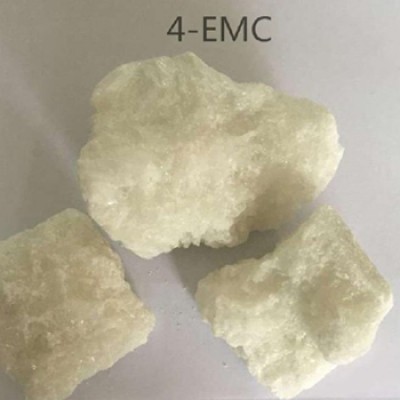
A chemical’s appearance, name, or advertised purity cannot reliably establish its safety.
Even a substance described as “high purity” may require appropriate laboratory testing before its identity and composition can be confirmed.
Why Chemical Identity Matters
Correct identification is particularly important in scientific research.
Two substances with similar names may have very different chemical structures and biological effects. Similarly, a chemical sold under a particular label may not necessarily contain the compound stated on the label.
Professional laboratories may use analytical techniques such as mass spectrometry, chromatography, and nuclear magnetic resonance spectroscopy to characterize substances.
These methods provide information that cannot be reliably obtained through appearance or informal descriptions.
Research Chemicals vs Approved Medicines
Research chemicals should not automatically be considered equivalent to prescription medicines.
Approved medicines undergo extensive evaluation concerning quality, safety, effectiveness, manufacturing, labeling, and appropriate use. The regulatory pathway depends on the jurisdiction and the intended application.
A compound still being researched may lack sufficient evidence to establish its safety or effectiveness in humans.
This distinction is particularly important when information about experimental chemicals appears alongside claims about treating medical conditions.
Research Chemicals in Canada
Canadian regulation of chemicals and controlled substances depends on the specific substance and its legal classification.
Health Canada states that it regulates controlled substances and precursors and oversees activities including the import, export, production, distribution, possession, and sale of controlled substances where applicable. Lawful activities may require appropriate licences, permits, regulations, or exemptions.
The Controlled Drugs and Substances Act (CDSA) also contains provisions covering certain analogues, derivatives, isomers, and salts of controlled substances. This means that determining the legal status of a chemical may require examining its specific chemical identity and the relevant legal provisions rather than relying only on its common name.
Canadian controlled-substance schedules include a range of substances relevant to pharmaceutical and scientific research. The schedules are periodically amended, so current official sources should be consulted when determining regulatory status.
Scientific Research and Regulatory Compliance
Legitimate research involving controlled substances can be subject to regulatory requirements.
Researchers and organizations may need appropriate authorization before conducting activities involving regulated substances. Health Canada provides information concerning licences and permits for organizations involved in scientific, pharmaceutical, chemical, testing, and other legitimate activities.
Compliance can involve requirements related to storage, handling, records, security, transportation, importation, exportation, and disposal.
Researchers should consult the applicable Canadian regulatory authority before working with a controlled or potentially controlled substance.
Why Online Information Requires Caution
Search results about research chemicals can contain a mixture of scientific information, personal experiences, marketing claims, and inaccurate descriptions.
A responsible research-chemical resource should distinguish between:
Scientific evidence: Findings supported by laboratory studies, clinical research, analytical testing, and peer-reviewed publications.
Anecdotal reports: Individual experiences that may not represent typical outcomes.
Marketing claims: Statements intended to promote a product or service that may not have independent scientific support.
Readers should evaluate these categories separately rather than treating them as equivalent evidence.
Research Chemicals and Human Safety
A major limitation for many experimental compounds is the lack of comprehensive human data.
Researchers may know how a chemical behaves in laboratory experiments without knowing its complete effects in humans. Animal studies can provide useful information, but they cannot perfectly predict human responses.
Unknown factors may include long-term toxicity, interactions with prescription medications, effects on people with existing medical conditions, and potential consequences of repeated exposure.
For this reason, experimental status should not be interpreted as a safety certification.
How to Research a Chemical Responsibly
When investigating a particular research chemical, useful information includes:
- The chemical’s precise name and structure.
- Its CAS number when available.
- Published scientific literature.
- Known pharmacological properties.
- Available toxicology information.
- Regulatory classification.
- Analytical testing information.
- Documented interactions or safety concerns.
Reliable sources should be prioritized over anonymous forums or promotional pages.
For Canadian regulatory questions, official government sources are particularly important because legal classifications can change.
Frequently Asked Questions About Research Chemicals
What are research chemicals?
Research chemicals are substances investigated for scientific, laboratory, pharmaceutical, analytical, or other research purposes. The term covers a broad range of compounds.
Are research chemicals safe?
Not necessarily. Some research chemicals have limited safety data, particularly when they are newly developed or insufficiently studied in humans.
Are research chemicals legal in Canada?
There is no single legal status for all research chemicals. The answer depends on the specific chemical and applicable Canadian legislation. Certain controlled substances and related chemical categories are regulated under Canadian law.
Can research chemicals be used as medicines?
A research chemical should not automatically be considered a medicine. Medical approval requires appropriate evidence and regulatory authorization.
Why is laboratory testing important?
Testing can help establish a substance’s identity, composition, and purity. Appearance or labeling alone cannot reliably confirm what a chemical contains.
Conclusion
Research chemicals represent a broad and complex area of modern science. They can contribute to research into pharmacology, chemistry, toxicology, medicine, and other scientific disciplines.
However, the term Research Chemicals should not be interpreted as a guarantee of safety, legality, quality, or suitability for human use. Some compounds may have limited research data, while others may fall under Canada’s controlled-substance framework.
For Canadians researching experimental chemicals, the most reliable approach is to examine the specific substance, review credible scientific evidence, and verify its current regulatory status through official Canadian sources.
research chemicals Canada, what are research chemicals, research chemical safety, experimental chemicals, research chemical regulations, laboratory chemicals, scientific research chemicals, research chemical risks